Dogs can’t speak, but they show signs when they are hurting. Many pet owners miss these small signs because dogs often hide pain. Knowing these signs can help keep a dog healthy, happy, and safe. Here are seven silent signs that show a dog might be in pain — and simple solutions to help.
1. Change in Eating or Drinking Habits
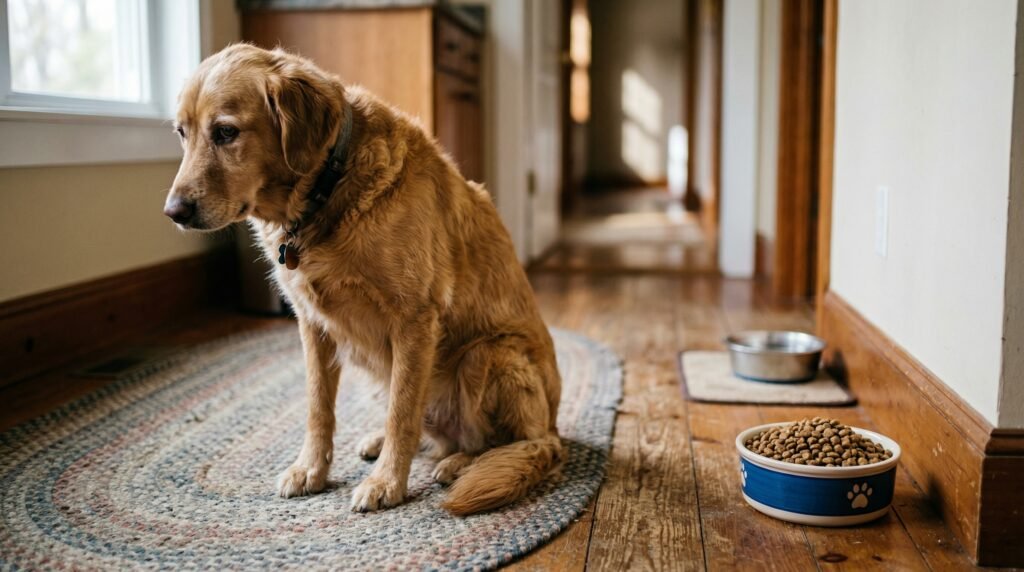
If a dog suddenly stops eating or drinks much more or less than usual, it could be a sign of pain. Pain in the mouth, teeth, or stomach can make eating hard. Sometimes, dogs with pain drink less because they don’t feel well.
Solution:
Check the dog’s mouth for broken teeth, swelling, or bad smell. Offer soft food that’s easy to chew. If the problem continues for more than a day, visit a vet to check for dental or stomach issues.
2. Limping or Moving Slowly
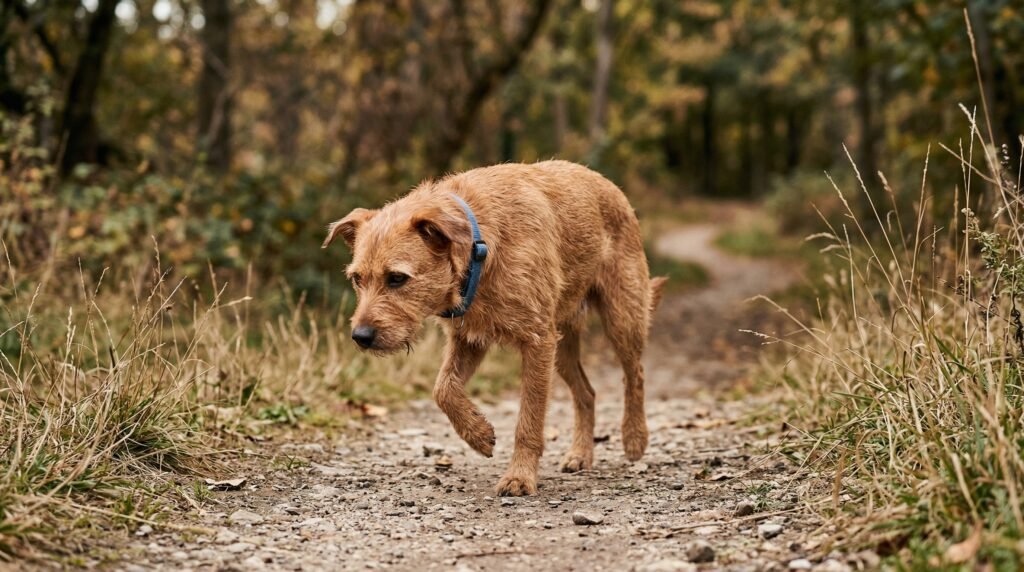
A dog that limps, avoids stairs, or moves slower than normal may be in pain. Joint pain, arthritis, or injury can cause this. Even small dogs can have joint problems as they age.
Solution:
Let the dog rest and avoid long walks or jumping. Use a soft bed to support joints. Ask the vet about joint supplements or pain relief medicine made for dogs.
3. Change in Sleeping Habits

Dogs in pain often sleep more than usual or have trouble finding a comfortable position. They may toss and turn or wake up often. Pain can make it hard for them to relax.
Solution:
Give the dog a quiet, warm place to rest. Use a soft orthopedic bed for joint support. If sleep problems continue, a vet can check for arthritis or other pain causes.
4. Unusual Aggression or Hiding
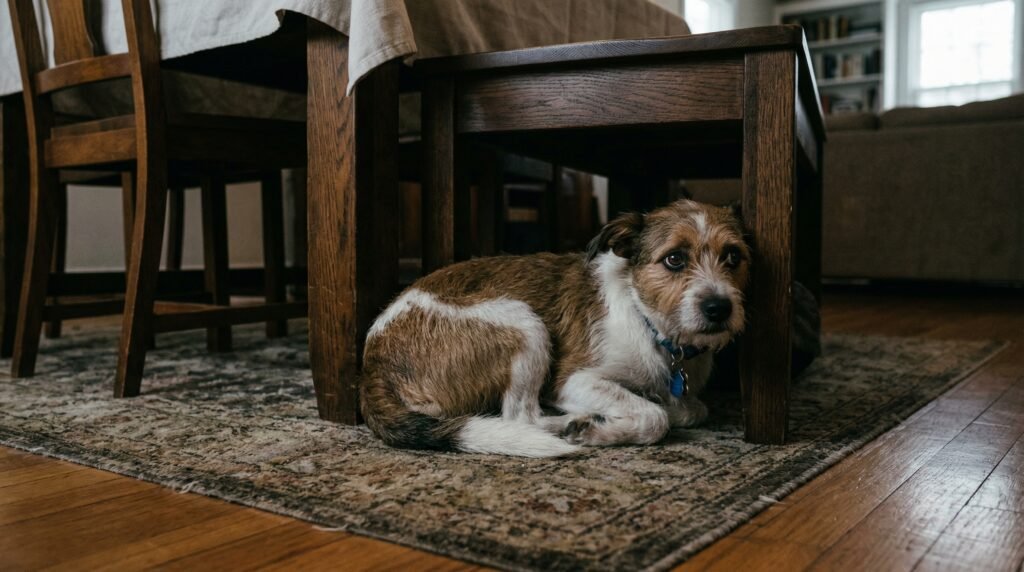
A friendly dog that suddenly growls, snaps, or hides could be in pain. Pain can make even the sweetest dog act differently. They may not want to be touched or picked up.
Solution:
Stay calm and avoid forcing contact. Look for signs of injury or swelling. Visit a vet to find the cause. Once pain is treated, behavior usually returns to normal.
5. Heavy Panting or Breathing Changes
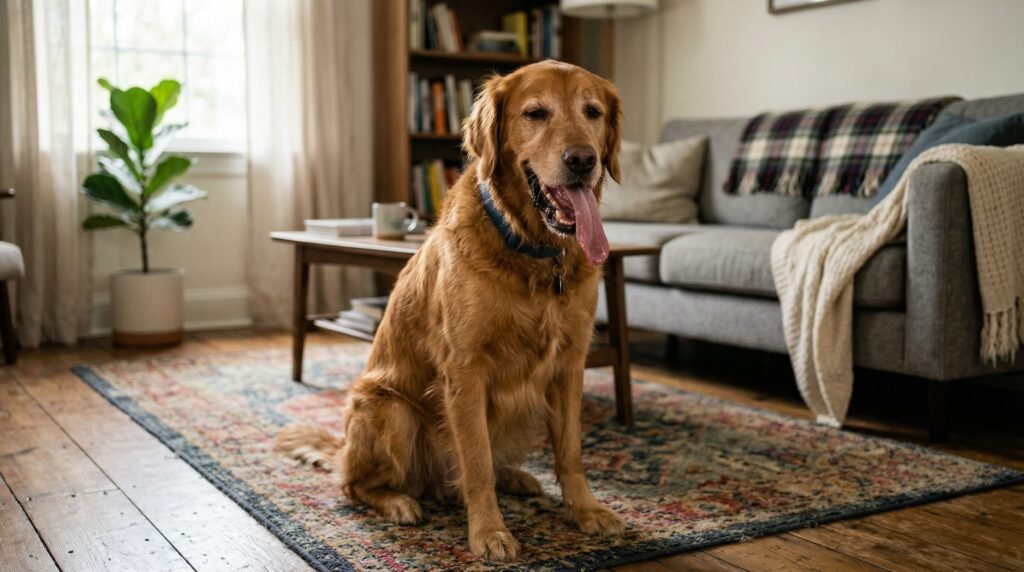
Dogs pant to cool down, but heavy panting when it’s not hot can mean pain or stress. Some dogs breathe fast or shallow when they hurt. This can happen with chest pain, fever, or injury.
Solution:
Keep the dog calm and in a cool place. Avoid exercise until breathing is normal. If panting continues or breathing looks hard, go to the vet right away.
6. Licking, Biting, or Scratching One Spot
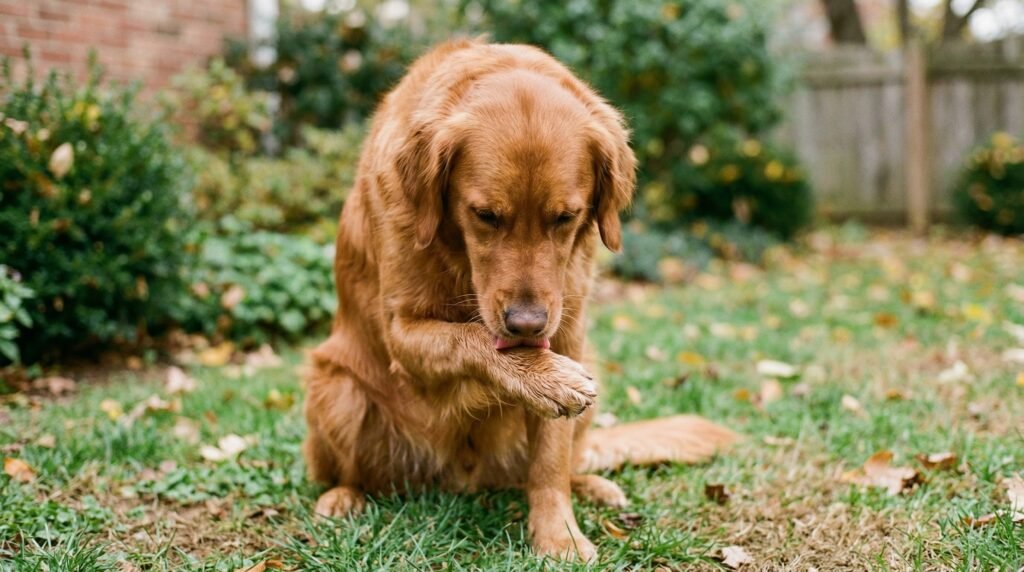
If a dog keeps licking or biting one area, it might be sore or painful. Dogs often lick wounds, joints, or paws when they hurt. Too much licking can cause skin problems or infections.
Solution:
Check the area for cuts, swelling, or redness. Clean gently with warm water. Use a cone or soft collar to stop licking. If the area looks infected or swollen, see a vet for treatment.
7. Change in Tail or Body Posture
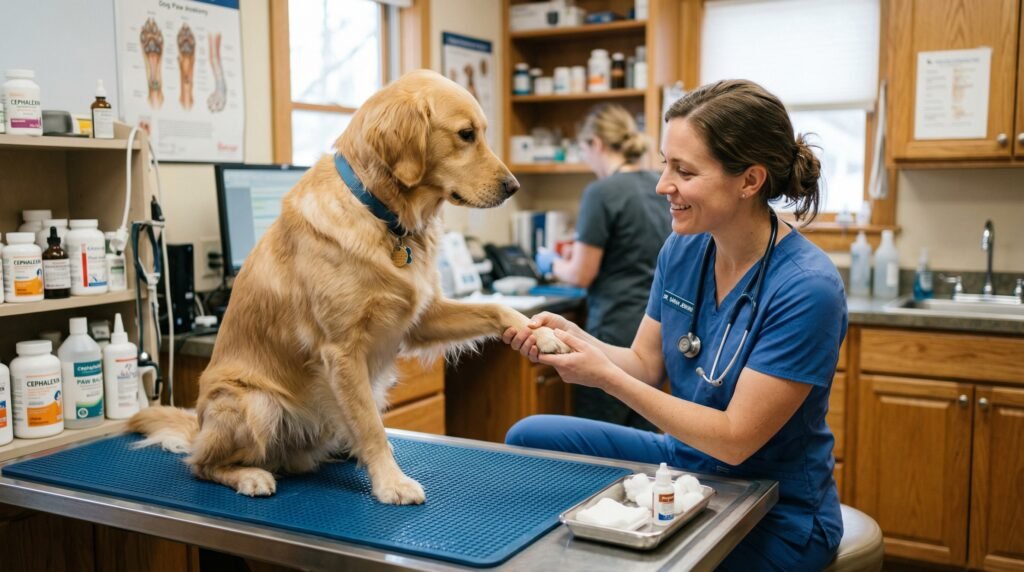
A dog’s tail and body language say a lot. A tail that stays down, tucked, or stiff can mean pain. Dogs in pain may also hunch their backs or keep their heads low.
Solution:
Watch for changes in how the dog stands or walks. Avoid touching sore areas. A vet can check for back, hip, or muscle pain and suggest safe exercises or medicine.
When to See a Vet

If any of these signs last more than a day or two, it’s best to see a vet. Pain can come from many causes — injury, infection, arthritis, or even hidden diseases. A vet can find the reason and give the right treatment before it gets worse.
How to Help a Dog in Pain
- Provide a soft bed: A comfortable place helps reduce joint pain.
- Keep weight healthy: Extra weight adds stress to joints and bones.
- Use gentle exercise: Short walks are better than long runs.
- Give vet-approved pain relief: Never give human medicine to dogs.
- Show love and care: Gentle petting and calm words help them feel safe.
- Regular vet checkups: Early care prevents small problems from becoming big ones.
Final Thoughts
Dogs trust their owners to notice when something is wrong. Small changes in behavior can mean big problems inside. Watching for these silent signs and acting early can save a dog from long-term pain and help it live a longer, happier life.
Image Prompt: A smiling dog playing outside with its owner, showing health and happiness.