
Cats are usually very clean animals. They like to use their litter box and keep their space tidy. But sometimes, a cat may start peeing outside the litter box. This can be confusing and stressful for pet owners. There are many reasons why this happens — from health problems to stress or dirty litter boxes. This article explains the common causes and how to fix them.
1. Health Problems
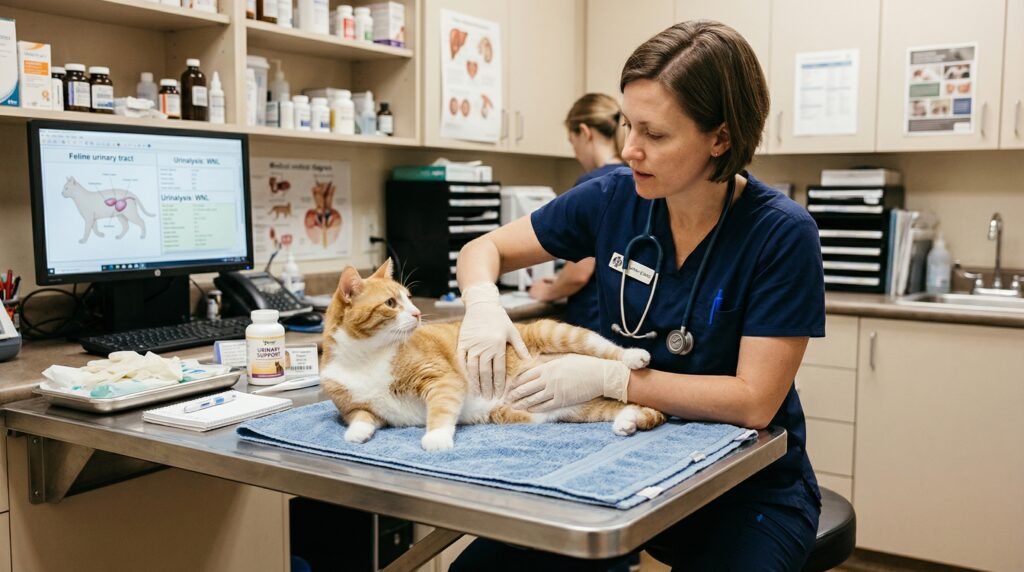
One of the main reasons cats pee outside the litter box is health issues. When a cat feels pain or discomfort while urinating, it may avoid the litter box.
Common health problems include:
- Urinary Tract Infection (UTI): Causes pain and frequent urination.
- Bladder Stones: Make it hard for cats to pee normally.
- Kidney Disease: Can cause more urination and accidents.
- Diabetes: Makes cats drink and pee more often.
What to do:
If a cat suddenly starts peeing outside the box, visit a vet right away. The vet can check for infections or other problems and give the right treatment.
2. Dirty Litter Box
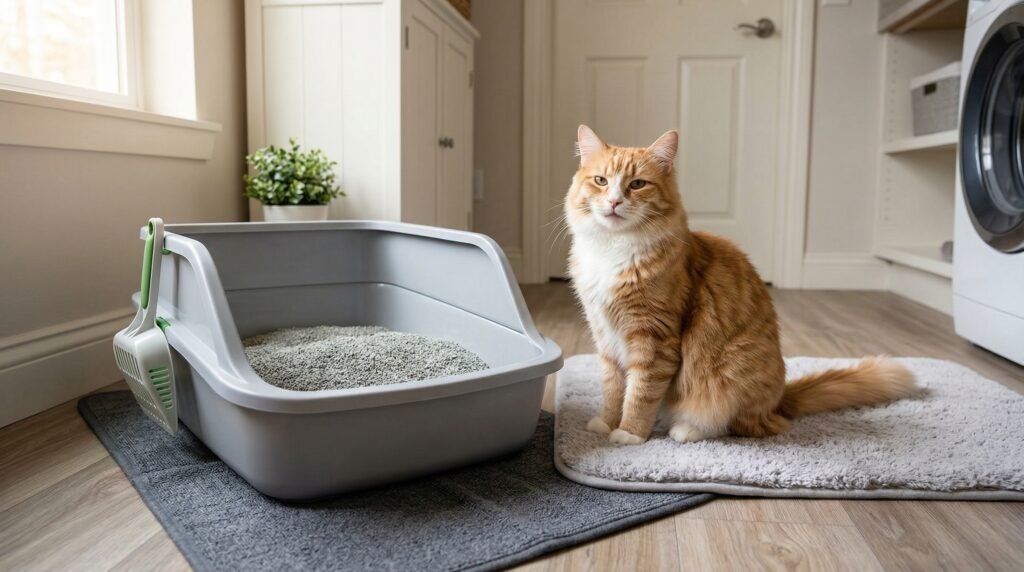
Cats are very clean animals. If the litter box is dirty or smells bad, they may refuse to use it. A cat might look for a cleaner spot, like a carpet or bed.
What to do:
- Scoop the litter box daily.
- Wash it with mild soap once a week.
- Use unscented litter, as strong smells can bother cats.
- Make sure there’s one litter box per cat, plus one extra.
3. Stress or Anxiety
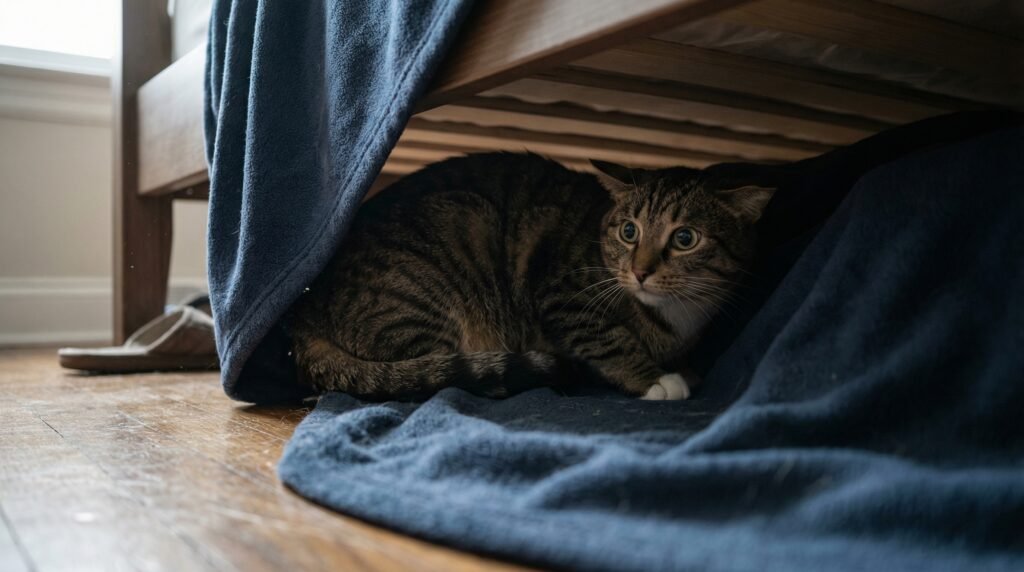
Cats can get stressed easily. Changes in their environment or routine can make them anxious. Stress can cause cats to pee outside the litter box as a way to mark their territory or feel safe.
Common causes of stress:
- Moving to a new home
- New pets or people in the house
- Loud noises or visitors
- Changes in furniture or litter box location
What to do:
- Keep the cat’s routine stable.
- Give the cat a quiet, safe space.
- Use calming sprays or diffusers made for cats.
- Spend more time playing and bonding.
4. Litter Box Location
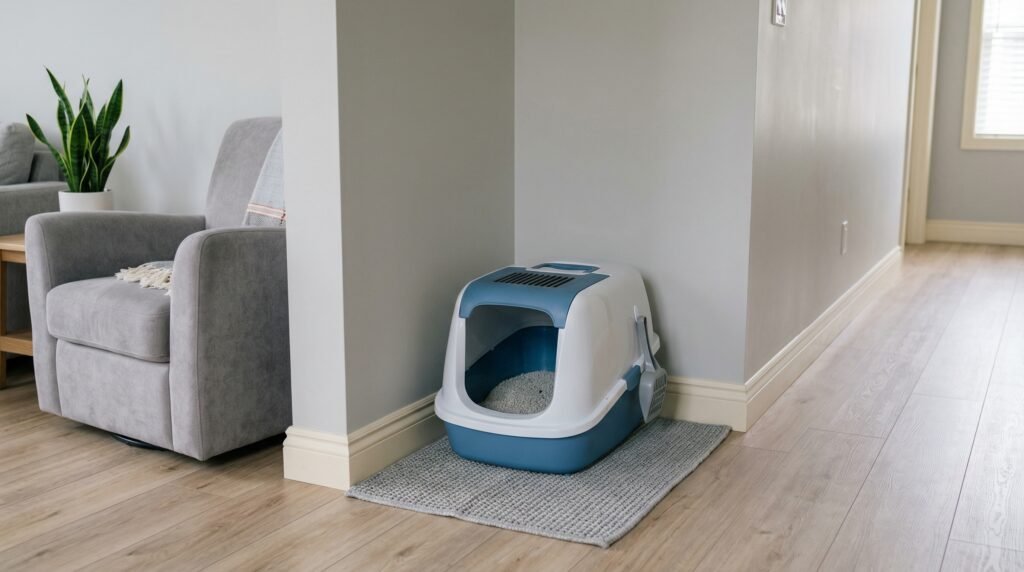
The location of the litter box matters a lot. If it’s in a noisy or busy area, the cat may not feel comfortable using it. Cats like privacy when they go to the bathroom.
What to do:
- Place the litter box in a quiet, private spot.
- Avoid putting it near food or water bowls.
- Make sure it’s easy for the cat to reach, especially for older cats.
5. Type of Litter
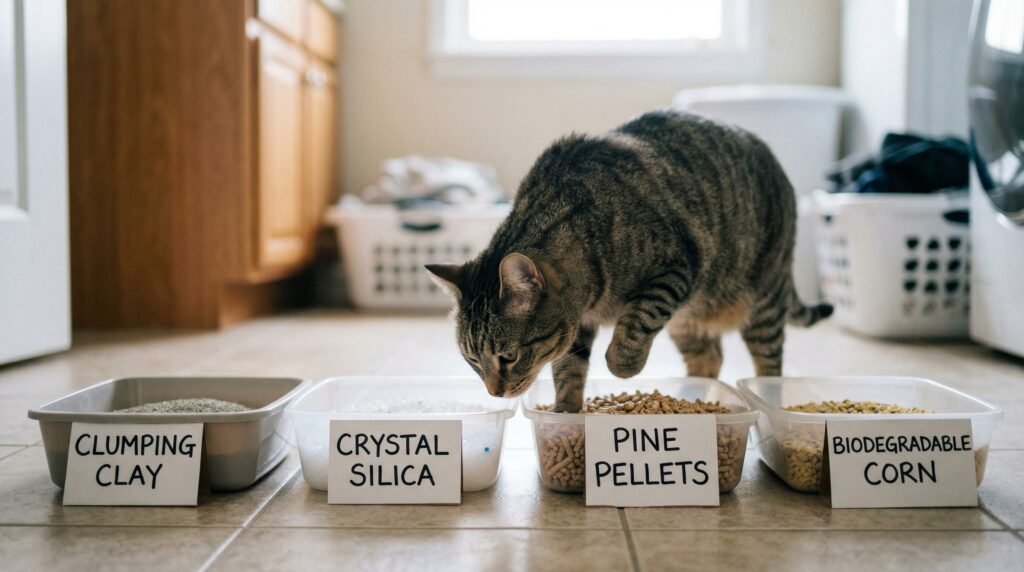
Some cats are picky about the type of litter. If the texture or smell changes, they might stop using the box. Switching brands too often can confuse them.
What to do:
- Stick to one type of litter your cat likes.
- Avoid strong perfumes or rough textures.
- Try clumping litter for easy cleaning.
6. Marking Territory
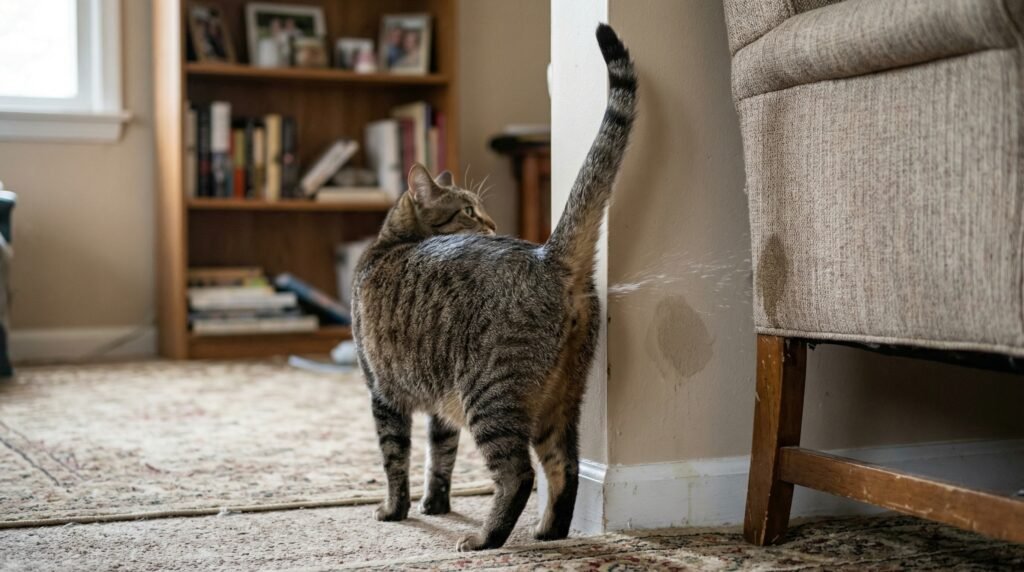
Sometimes, cats pee outside the litter box to mark their territory. This is common in unneutered male cats, but females can do it too. It’s their way of saying, “This is my space.”
What to do:
- Get your cat spayed or neutered.
- Clean marked areas with an enzyme cleaner to remove the smell.
- Reduce stress and keep other animals away from the cat’s favorite spots.
7. Old Age or Mobility Problems
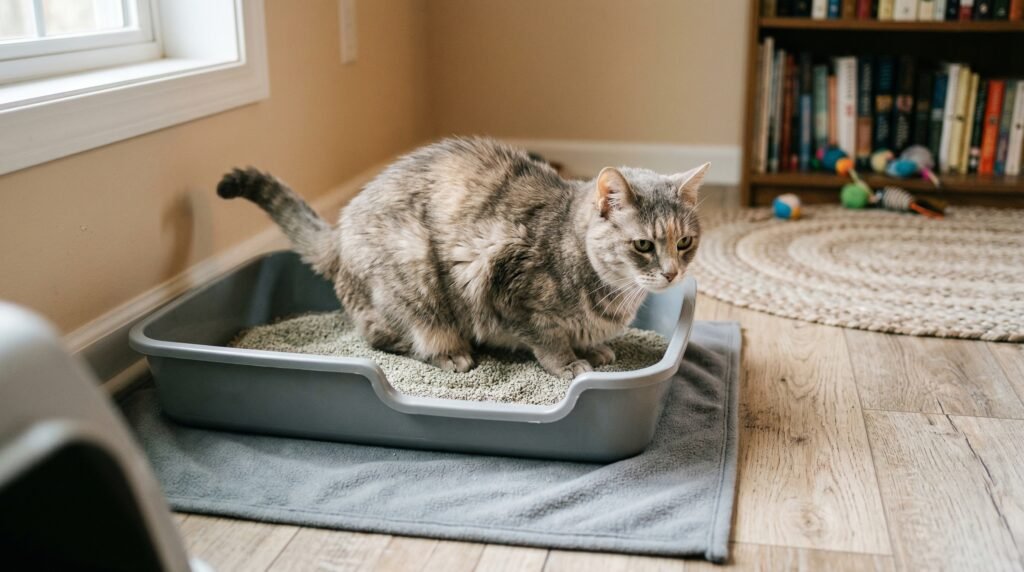
Older cats or cats with joint pain may find it hard to climb into the litter box. If the box has high sides, they might avoid it because it hurts to get in.
What to do:
- Use a litter box with low sides.
- Keep the box close to where the cat spends most of its time.
- Ask the vet about pain relief if the cat has arthritis.
8. Multiple Cats in the House
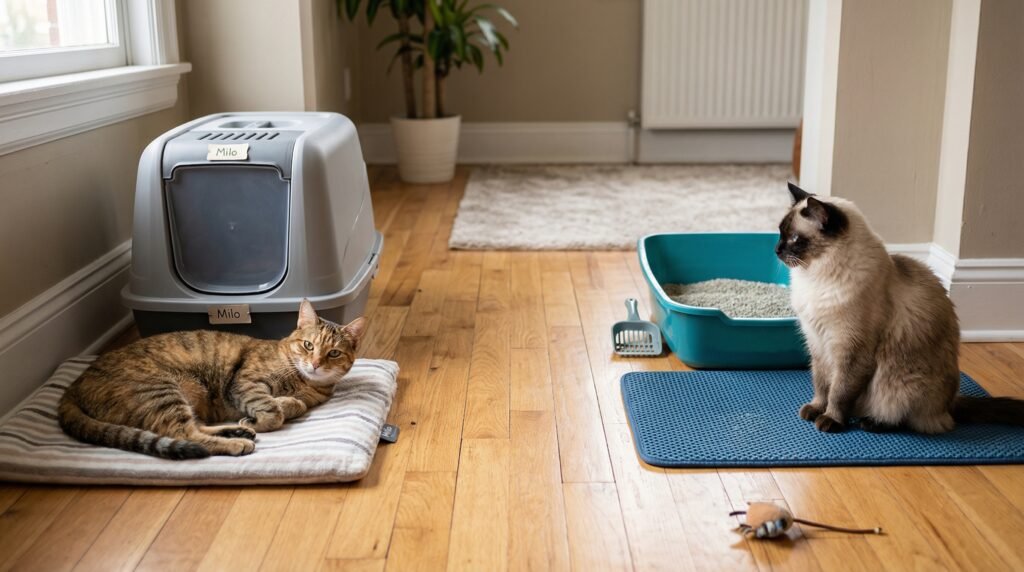
If there are several cats in one home, they may fight over the litter box. Some cats don’t like sharing. This can lead to accidents around the house.
What to do:
- Have one litter box per cat, plus one extra.
- Place boxes in different rooms.
- Make sure each cat feels safe and has its own space.
9. Strong Odors or Cleaning Products
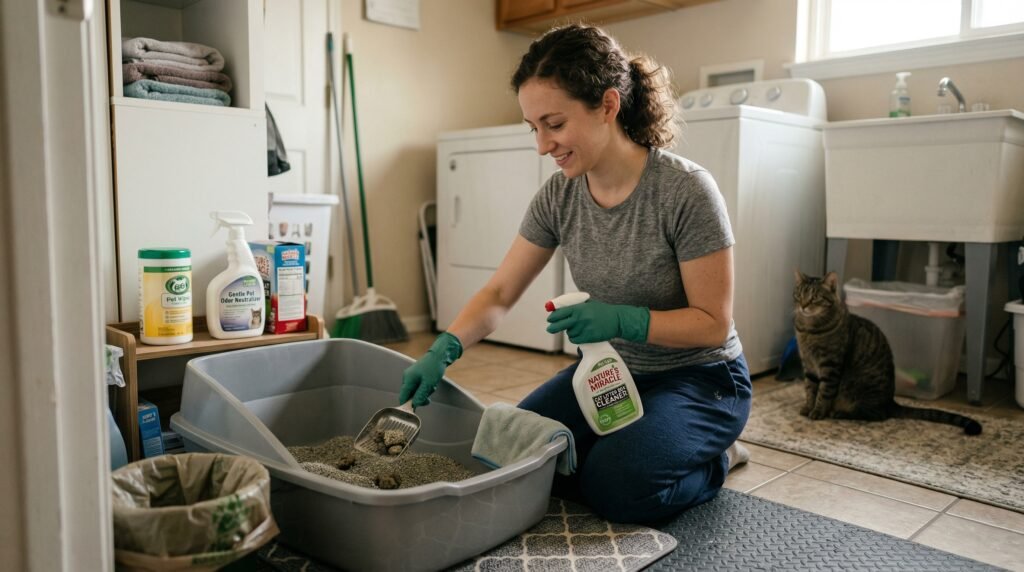
Cats have a strong sense of smell. If the litter box or floor is cleaned with strong chemicals, the smell can drive them away. They may pee elsewhere to avoid the scent.
What to do:
- Use mild, unscented cleaners.
- Avoid bleach or ammonia-based products.
- Rinse the litter box well after washing.
10. Behavioral Issues
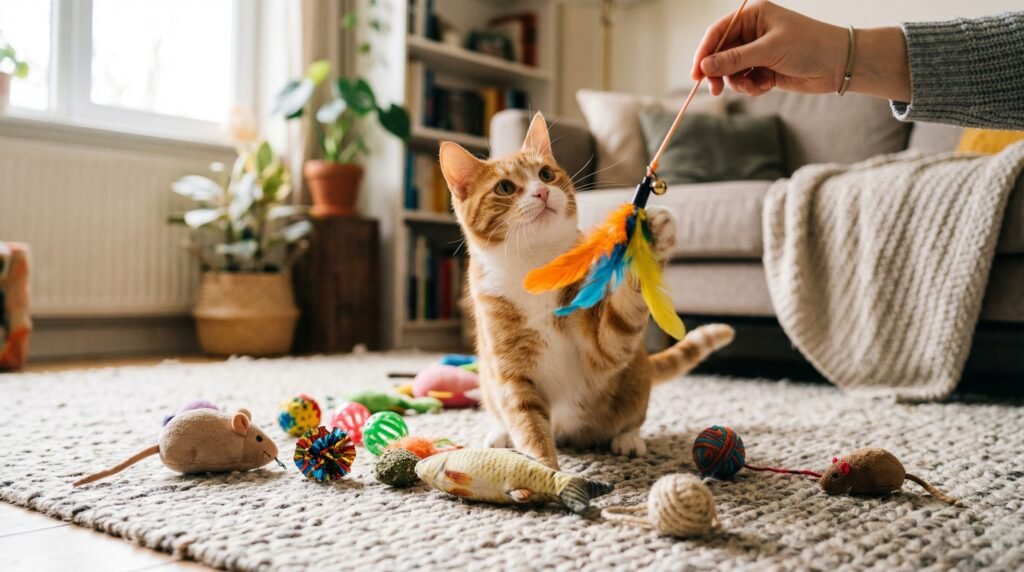
Sometimes, peeing outside the litter box is a behavioral problem. It can happen if the cat feels ignored, jealous, or bored.
What to do:
- Spend more time playing with the cat.
- Give toys, scratching posts, and climbing trees.
- Reward good behavior with treats and praise.
Final Thoughts
When a cat pees outside the litter box, it’s not being naughty — it’s trying to tell something. It could be sick, stressed, or unhappy with the litter box. The best way to help is to find the cause and fix it with love, patience, and care. A clean, calm, and safe environment will help the cat return to good habits.